
Restore Well Performance Safely and Efficiently
Well Rehabilitation & Airburst Technology
Declining well performance reduces water output, increases energy consumption, and places strain on infrastructure. O’Keefe Drilling provides professional well rehabilitation and redevelopment services using Airburst Technology, a patented process designed to restore specific capacity and extend well service life while protecting aquifer integrity.
Provide well depth, diameter, age, and recent production data for a scoped rehabilitation plan.
DECLINING WELL PERFORMANCE
When Wells Lose Production
Over time, wells experience reduced yield due to:
- Mineral scaling and encrustation
- Biofouling and biological growth
- Fine sediment intrusion
- Screen clogging
- Formation compaction
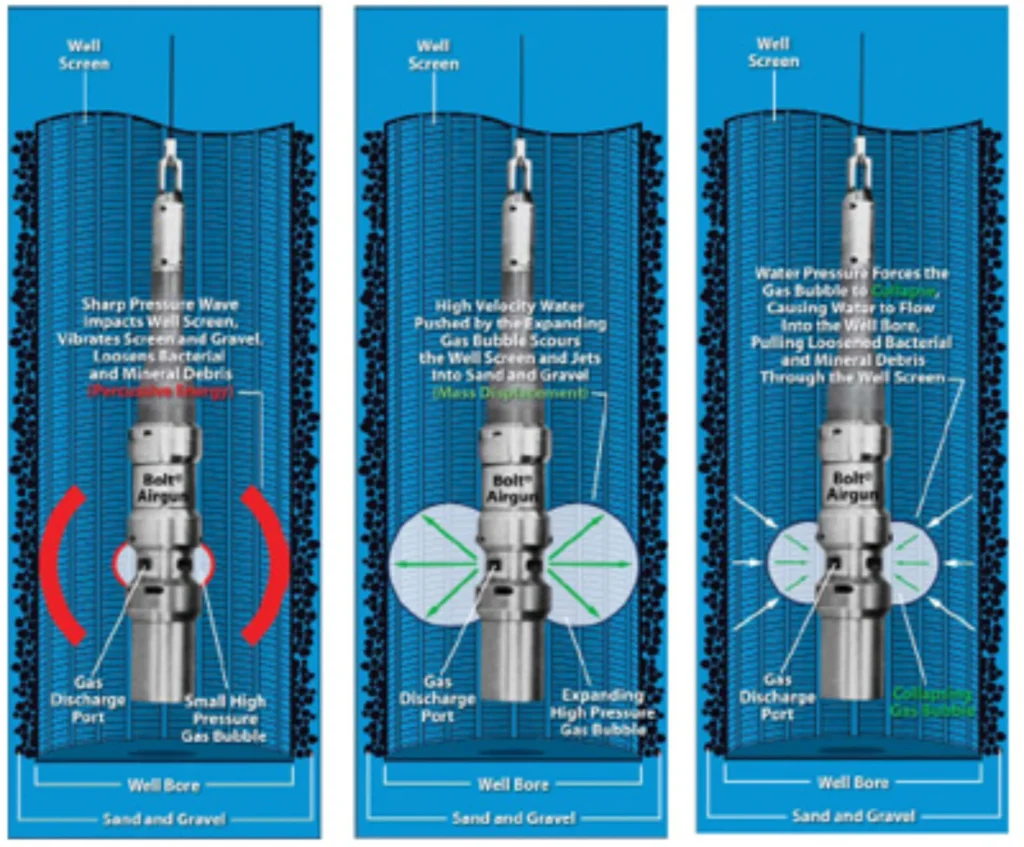
These conditions restrict groundwater flow and reduce specific capacity, increasing pump run time and energy costs. In many cases, well rehabilitation can restore performance and defer the capital expense of drilling a replacement well.
THE AIRBURST PROCESS
What Is Airburst Technology?
Airburst Technology is a patented well redevelopment process that uses controlled, high-energy air pulses to remove scale, sediment, and obstructions from well screens and surrounding formations.
The process is designed to:
- Dislodge mineral buildup
- Restore permeability around the screened interval
- Improve groundwater flow
- Increase specific capacity
- Reduce pumping inefficiencies
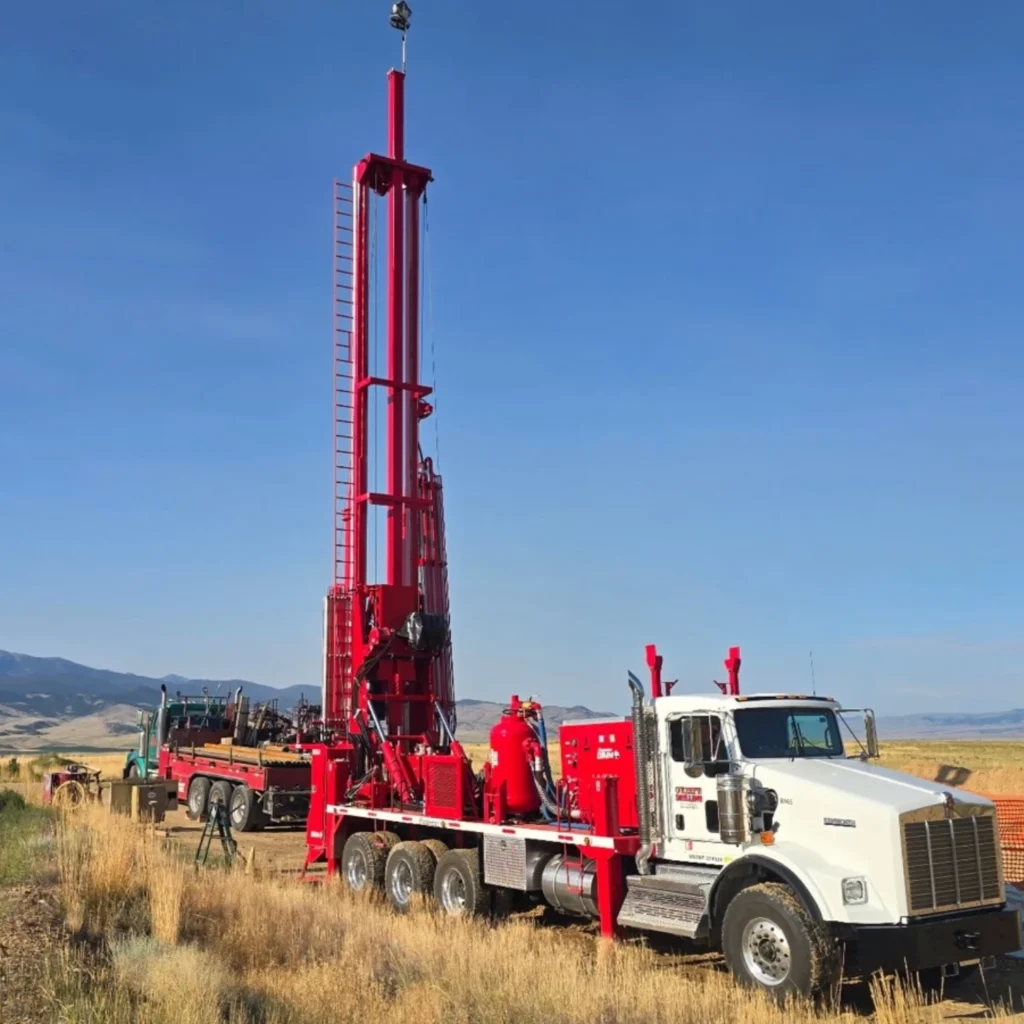
Airburst operates within controlled pressure parameters appropriate to the well’s construction and materials, helping protect casing and screen integrity while improving performance.
REHABILITATION APPROACH
Why Airburst Rehabilitation
Effective well rehabilitation should improve production without compromising environmental integrity or structural components.
Airburst Technology offers:
- Increased well yield and recovery rates
- Improved specific capacity
- Reduced pump run time and energy costs
- Extended well service life
- Reduced reliance on aggressive chemical treatments
- Lower cost compared to full well replacement
This approach restores performance while maintaining aquifer protection and regulatory alignment.

Application
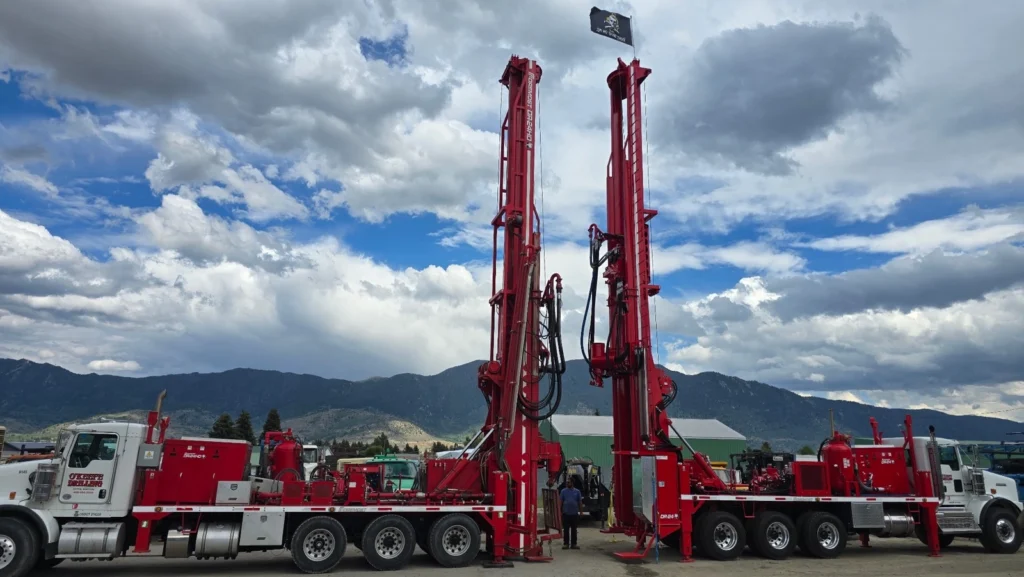
Airburst well rehabilitation supports a wide range of water systems:
- Municipal wells
- Radial collector wells
- Industrial supply wells
- Irrigation systems
- Aquifer storage and recovery wells
- Environmental monitoring wells
- Effluent injection wells
- Dewatering systems
- Commercial and agricultural wells
- Residential wells
Wells across various geological formations and aquifers may benefit from controlled redevelopment using Airburst Technology.
Environmental Responsibility
Airburst Technology is designed as a low-impact redevelopment method.
The process:
- Minimizes chemical use
- Maintains aquifer integrity
- Reduces environmental disturbance
- Supports sustainable water production
Environmental responsibility and operational efficiency go hand in hand in long-term well management.

Is Airburst Right for Your Well?
Airburst rehabilitation is often appropriate when:
- Production rates have declined
- Pumping efficiency has decreased
- Specific capacity has dropped
- Scale or sediment buildup is suspected
- Water quality has been affected by fine intrusion
A professional evaluation determines whether Airburst or an alternative redevelopment method is most appropriate for your well’s condition.
Frequently Asked Questions
How does Airburst increase well yield?
Airburst uses controlled air pulses to remove obstructions around the well screen and formation, restoring permeability and improving specific capacity.
Is Airburst safe for casing and screens?
Yes. The process operates within controlled pressure parameters appropriate to the well’s construction to protect casing and screen integrity.
Can Airburst reduce the need for chemical treatment?
In many cases, Airburst reduces or eliminates the need for aggressive chemical treatments, depending on the condition of the well.
What types of wells can benefit from Airburst?
Municipal, industrial, irrigation, environmental, agricultural, and residential wells may benefit from rehabilitation using Airburst Technology.
Can rehabilitation extend well life?
Yes. By restoring flow and improving efficiency, rehabilitation can extend service life and delay costly well replacement.
O'Keefe Drilling
Related Services
Water Well Drilling
Pump Sales & Service
Environmental Drilling & Sampling
Request a quote
Restore Your Well’s Performance
If your well is experiencing reduced output, increased pump time, or declining efficiency, we are ready to evaluate its condition and recommend a rehabilitation plan.
Share well specifications and recent production history to begin the assessment.